Search-first video: how to make videos people (and AI) actually find
People now search on Google, YouTube, TikTok and AI tools. Here's how to plan video content around real search behaviour instead of one channel.
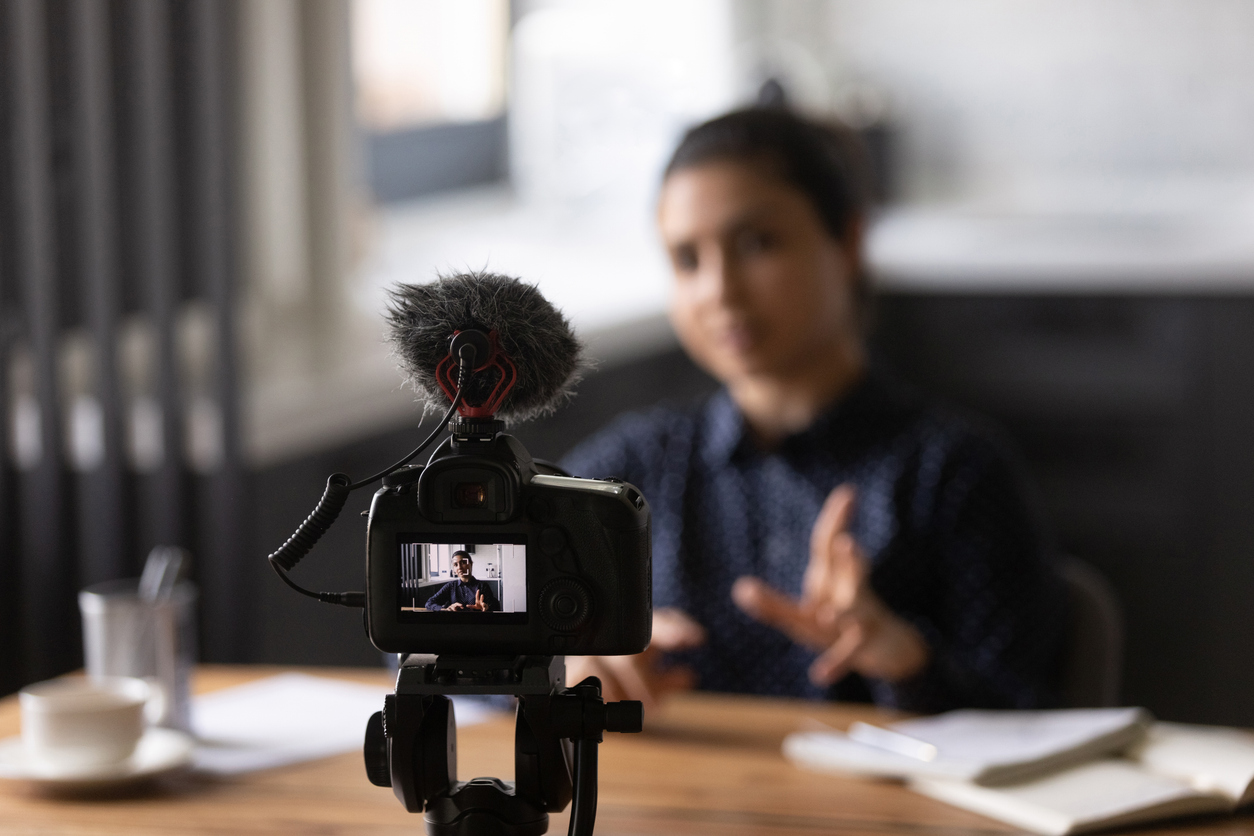
Where do your customers search? A few years ago, the answer was simple: Google. Now it's also YouTube, TikTok, Instagram, Pinterest, Reddit, ChatGPT and more, often all in the same buying journey.
At BrightonSEO, Jurre Ham of dentsu made the case that video is one of the best ways to show up across all of them, as long as you plan it around search behaviour rather than around a single channel.
Why search has spread out
Jurre pointed to three reasons people search in more places than ever:
- Google has added friction. More ads and less helpful results mean people look elsewhere for answers.
- Communities have become search engines. People go to YouTube, TikTok and Reddit for recommendations from others, not just information. Being validated by real people matters.
- AI is a new discovery layer. AI tools shorten the journey from question to decision, and are moving towards letting people shop directly.
He also noted that most media briefs he sees now ask one question: how do we grow our visibility in AI answers?
His reframe is more useful: how does your brand get found, preferred and trusted wherever your audience searches?
Purpose first, not platform first
The usual way to make video is to pick a channel, create something for it, optimise it and measure it. Jurre suggests turning that around:
- Understand your audience: who they are, what they need and how they like to consume content.
- Understand their intent and channels: what they search for and where.
- Design content for that moment.
- Then optimise it so it can be found on each platform they use.
Match the video to what people are trying to do
Different search behaviour needs different types of video:
- How-to and tutorial videos for people with a specific question
- Comparisons and walkthroughs for people weighing up options
- Commentary and interviews to build authority and community
- Overviews and explainers for people exploring a broader topic
His paint example made this easy to picture. "Matt vs silk paint" is someone comparing. "How much paint do I need per m²" is someone checking before they buy. "Accent wall colour ideas" is someone exploring. Each needs a different video.
Choose the right messenger for each platform
One of Jurre's practical points: your YouTube video and your TikTok video probably shouldn't come from the same voice. A longer explainer from the brand might work well on YouTube, while a creator or customer might be more convincing on TikTok or Pinterest. Decide who delivers the message on each channel.
Why AI matters here too
AI tools and search engines increasingly cite and summarise video, especially YouTube. So a helpful video doesn't just reach people on YouTube; it can also become a source for AI answers.
Jurre's warning for the future: AI tools will make it easy for every brand to produce endless video, and much of it will be unhelpful.
Soon every brand will make infinite video. Few will be found, fewer will actually be trusted.
The brands that win will combine real human creativity with the efficiency AI offers.
What we're taking from this
- Start with questions, not channels. List the questions customers ask about your products, and note where they ask them.
- Make one useful video per question type. A how-to, a comparison and an explainer will cover a lot of the journey.
- Put product videos to work on product pages too. Video helps people buy, not just discover.
Reaching the right people, at the right moment
At Dock, we help businesses build smarter search and content strategies that grow visibility, build trust and keep their brands front of mind throughout the buying journey.
Want to make your brand easier to find, wherever your customers are searching? Get in touch with Dock